
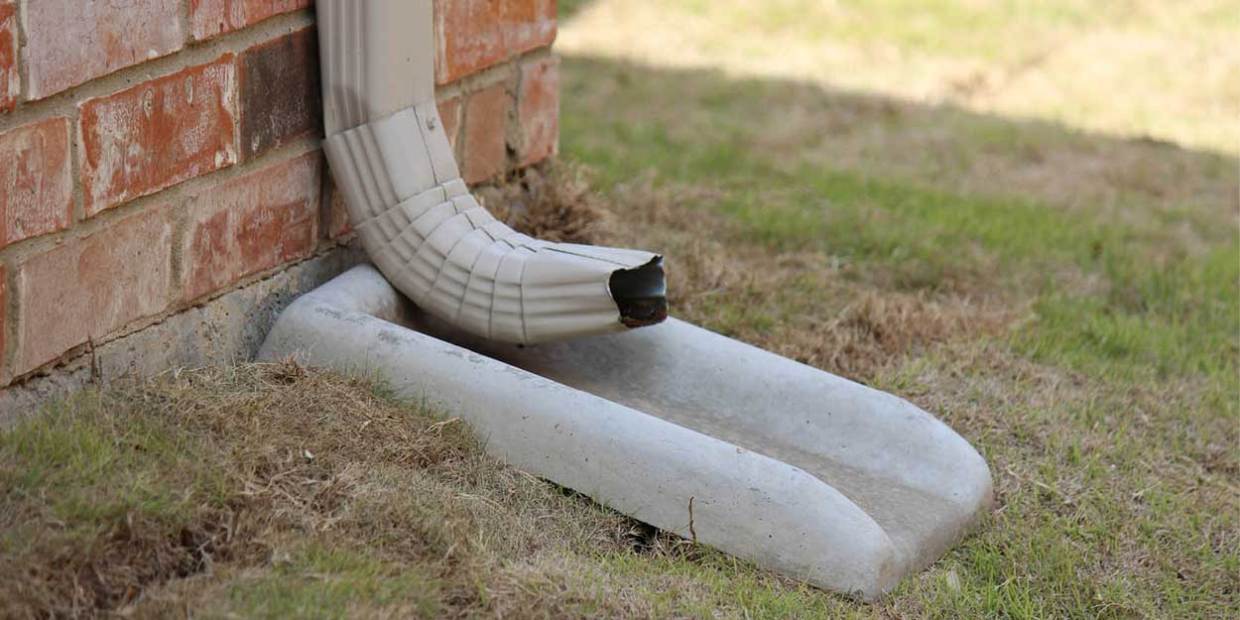
Yes – you can unclog a gutter downspout yourself using simple tools and safe methods.
After it rains, you may find you don’t see water coming out of your gutters. This is a common problem that can occur if you don’t resolve it. Clogged downspouts can lead to further problems, so this needs to be addressed immediately. But how do I unclog the downspout?
FAQs
- Why isn’t water flowing through my downspout?
Debris in the gutter or downspout may be blocking the flow. - What tools can I use to unclog a downspout?
A plumbing snake, leaf blower, wet/dry vacuum, or pressure washer can help dislodge clogs. - Is it safe to tap the downspout to loosen debris?
Yes – but gently, to avoid denting the aluminum and creating future clog points. - When should I call a professional?
If you’re uncomfortable using a ladder or tools safely – or if the clog persists – seeking professional help from Leafguard is best.
Check for Gutter Clogs
Check your gutters. See if there are clogs in the gutter itself. To do this, you must get up on a ladder or the roof to investigate the gutter. If the gutter clogs, you need to clean out the debris from the gutter. Ensure you have the proper gear: gloves, safety glasses, a tool to scoop out the debris, and a sturdy ladder. Get someone to help hold the ladder to keep it steady so you can try to remain safe while you’re up there. Once the gutter is clean, run some water into it to see if it goes down the downspout. If not, you’ll have to take the next step.
Again, this is going to require a ladder. And you’re going to need help from someone.
- Place the ladder close to the downspout.
- Bring a garden hose with you and put it in the top mouth of the downspout.
- Have your buddy turn on the water with decent pressure.
Your job is complete if the water flows out the bottom with a bunch of leaves or debris. However, if the water backs up into the gutter, you still have a clog in your downspout.
Attempt to Loosen Debris in Downspout
You can try banging on the downspout to see if it loosens debris. If you are already up on the ladder, try this by coming down the ladder one rung at a time and tapping firmly at each step to see if you can knock out the clog. However, be careful because this could cause dents in your downspout that can cause future clogs if you bang too hard. If this doesn’t work, there are other tools you can try.
Tools to Use When Unclogging the Gutter Downspout
Drain Unclogging Tool
Try using a handheld plumbing snake. A plumbing snake is a long, flexible metal cable with a small, uncoiled spring, or an auger, on one end and a handle on the other. As you use a plumbing snake, it uncoils down the drain, eventually reaching the clog that is blocking the piping and causing the backup.
Either start from the top and push it down into the downspout or go from the bottom and push it up. Keep turning the snake clockwise until it reaches the other end of the downspout. Pull the cable back to see if it removes the clogging material. You may have to try this several times to remove the entire clog. And if that doesn’t work, the next step is pressure.
Leaf Blower
A leaf blower is a gardening tool that propels air from a nozzle to move debris such as leaves and grass cuttings. Leaf blowers put out a high volume of air so they can be used to try to unclog a downspout.
Wet/Dry Vacuum
A Wet/Dry Vacuum Cleaner is also ideal for cleaning clogged downspouts. The suction function of the vacuum cleaner makes it a perfect appliance for cleaning clogs. Insert the nozzle into the downspout, then all you need to do is set the blower mode on, and the vacuum cleaner will do the rest.
Power Washer
A power washer uses a pressurized stream of hot water to remove dirt, grime, and loose paint from surfaces and structures. Compared to a regular hose, power washers can produce quick results thanks to a steady, uninterrupted water supply at high pressure. Insert the end of the tool into the top of the downspout. Turn on the tool, and the pressure from the water should dislodge the clog.
Wear gloves and safety glasses for whatever tool you try because the dislodged debris could fly everywhere. And the last place you want to go is the hospital from getting gunk lodged in your eye or a power washer slipping from your hand and injuring yourself.
How to Unclog a Gutter Downspout
- Clear gutter debris using gloves, scoop, safety glasses, and a secure ladder.
- Test water flow by placing a hose in the top of the downspout—check if it discharges properly.
- Loosen blockages by gently tapping the downspout (be careful to avoid dents).
- Try tools in sequence:
- Retest water flow to confirm the clog is cleared.
How do you keep this from happening?
To prevent your downspouts from clogging, you should consider Leafguard’s® gutter system. All gutters carry water away from your home, but only Leafguard does it with a unique, proprietary one-piece debris-shedding design that is better than any other gutter system on the market today. Leafguard gutters work on a simple but powerful scientific principle known as liquid adhesion. This allows rainwater to travel around the hood and into the gutter while deflecting leaves and other debris, never clogging.
Leafguard gutters are made from aluminum 20% thicker than the industry standard and downspouts 30% larger than our competitors. With thirty percent larger downspouts, you will have a larger area for the water to drain.
With over 650,000 ladder-related injuries happening each year, Leafguard simplifies your life by eliminating the need to clean your gutters and downspouts, and that’s why with Leafguard, you can get it and forget it.
*Guaranteed not to clog, or we will clean your gutters for free
In Summary
- Downspouts can clog easily with debris, leading to gutter overflow and home water damage.
- Clearing clogs safely requires proper tools, patience, and protective gear.
- Preventing clogs is easier than fixing them—Leafguard’s seamless system keeps water flowing freely.
- With larger downspouts and a lifetime clog-free guarantee, Leafguard protects your home and eliminates the need for ladder cleaning.